Home › Asphalt Resurfacing & Overlays
Our asphalt resurfacing in Irving, TX is a cost effective way to renew worn driveways without full replacement. We repair structural issues, then install a smooth asphalt overlay. This process improves curb appeal and driving comfort while extending the life of your driveway. Contact us to see if your asphalt is a good candidate for resurfacing.
Precision Asphalt Irving provides professional asphalt resurfacing throughout Irving, TX, Texas and the surrounding area. Our licensed, insured crew delivers safe, clean, on-time work with a free estimate before anything begins. Call (469) 242-1785 or request your free quote.
Asphalt Resurfacing & Overlays for Irving Properties
If your parking lot or driveway is rough, cracked, or starting to ravel but the base is still solid, asphalt resurfacing can restore it without the cost of a full rebuild. Precision Asphalt Irving focuses on resurfacing and overlay projects for homes, businesses, churches, and small commercial centers throughout Irving and nearby areas.
Resurfacing means we install a new layer of hot mix asphalt on top of your existing pavement after it is properly repaired and prepared. For many Irving properties, this extends the life of the pavement by 8 to 15 years at a fraction of the cost of tearing everything out. We evaluate the condition of your base, drainage, and traffic patterns before recommending resurfacing so you know it is the right solution, not just the quickest sale.
Our team is familiar with the neighborhood streets, from older areas near Irving Heights to busy commercial properties closer to MacArthur and 183, and we tailor each overlay to how your pavement is actually used. A light residential driveway overlay is planned very differently from a delivery lane behind a retail strip that sees daily truck traffic.
How Asphalt Resurfacing Works, Step by Step
A good overlay is all about preparation. At Precision Asphalt Irving, every resurfacing project follows a structured process so the new layer bonds and drains correctly.
1. Evaluation and cores (when needed). We check for soft spots, standing water, and structural failures. For larger commercial lots, we may take core samples to measure existing asphalt depth and confirm base conditions.
2. Milling and leveling. We use a milling machine to grind down high spots, transitions at entrances, and areas where building thresholds or garage slabs cannot change height. This keeps your new surface from creating trip hazards or water running toward buildings.
3. Structural patching. Any badly broken or “alligator cracked” areas are cut out with a saw, the failed asphalt is removed, and new base material and asphalt are installed. Overlaying over structurally failed areas would cause the new surface to crack again within a short time.
4. Cleaning and edge prep. We power sweep and blow the surface so it is free of dust and debris. Edges are trimmed and squared so the new overlay has clean, tight joints.
5. Tack coat. A bonding agent called tack is sprayed over the existing asphalt. This sticky emulsion helps the new hot mix layer fuse to the old surface and prevents slippage, especially on slopes.
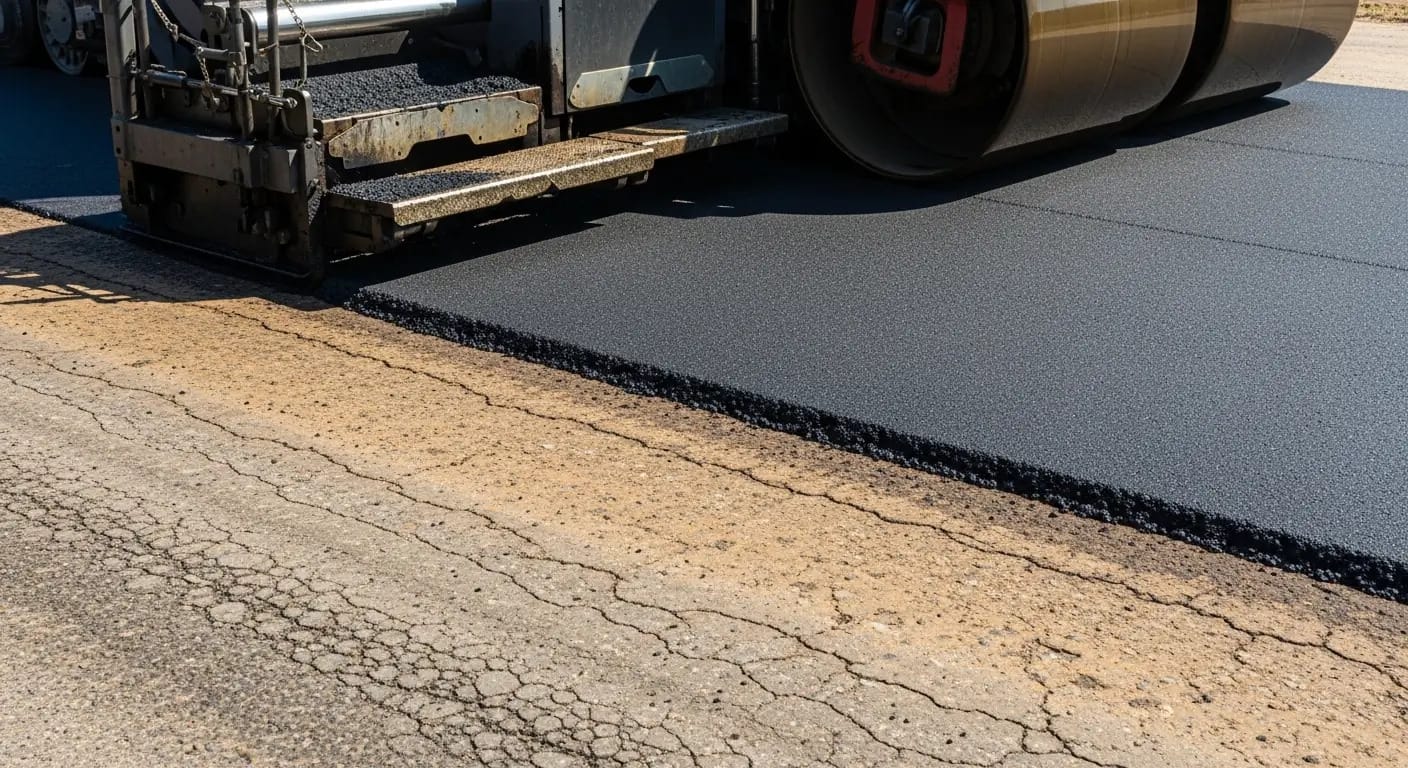
6. New asphalt placement. Hot mix is delivered from the plant and placed with a paver for consistent depth and smoothness. For small or tight spots, our crew rakes and lutes the mix by hand.
7. Compaction. Steel drum and rubber-tire rollers compact the new surface to the specified density. Proper rolling is critical to long life and helps seal the surface from water.
8. Striping and markings. After the asphalt cools, we repaint parking stripes, ADA stalls, fire lanes, and directional arrows so your lot is safe and compliant.
Local Climate Factors in Irving, TX
Irving’s combination of hot summers, strong sun, and occasional winter freezes is tough on pavement. Planning resurfacing around local weather is essential for a durable overlay.
From late spring through early fall, surface temperatures can easily exceed 140°F. This makes good compaction easier, but it also means we need to control the timing so the mix does not cool too slowly and scuff under early traffic. We schedule larger overlays earlier in the day to take advantage of cooler morning temperatures while still keeping the mix workable.
In winter, the freeze-thaw cycles and the rare ice events can expose existing drainage problems. Before resurfacing, we look for places where water ponds after a rainstorm, such as low spots near curb inlets or at the bottom of drives along slopes. If those are not fixed with milling and leveling, new cracks will form much faster.
Irving also sees rapid weather changes and pop-up storms. Our crews monitor the forecast closely. We will not place a new asphalt overlay if there is a realistic chance of rain hitting before compaction is finished, since water on hot, unrolled asphalt can damage the surface. If we need to adjust timing, we communicate clearly so you are not left guessing when your project will resume.
Overlay Options, Thickness, and Design Choices
Not every asphalt resurfacing job uses the same mix or thickness. Precision Asphalt Irving designs each overlay based on how your pavement is used.
For light-duty residential driveways and small parking areas, an overlay thickness of about 1.5 inches is common. For commercial parking lots with heavier traffic or occasional delivery trucks, we often recommend 2 inches or more, sometimes installed in two lifts for better compaction.
Mix design matters too. TxDOT-approved hot mixes are usually used for overlays in Irving. For higher traffic areas, we may specify a mix with a slightly larger aggregate for strength. For residential surfaces where people walk barefoot, like around pools or play areas, we favor smoother surface mixes.
We can also adjust slopes slightly during resurfacing to improve drainage. For example, if water has been drifting toward a storefront or garage, we can mill down one side and build up another to encourage water to run toward a gutter or drain. While resurfacing cannot completely redesign a site, small adjustments like this can dramatically reduce standing water and future cracking.
Finally, we discuss surface appearance. A resurfaced lot looks nearly new, so it is a good time to update the layout, add crosswalks, or widen accessible stalls to meet current codes. We work with owners and property managers to re-stripe in a way that actually improves traffic flow, not just copies what was there before.
What Affects Asphalt Resurfacing Cost in Irving
Customers often want to know why two overlays of the same size can cost very different amounts. Several local and project-specific factors influence pricing.
1. Amount of base repair. If your existing asphalt is mostly intact with only minor cracks, costs stay lower. If many areas are soft or alligator cracked, we must perform full-depth patching before overlay, which increases labor and materials.
2. Milling requirements. Entrances that meet city streets, existing curb heights, and drainage corrections all drive how much milling is required. Deep or extensive milling takes more machine time and trucking to haul off grindings.
3. Overlay thickness and mix type. Thicker overlays and specialized mixes for heavy truck areas use more tons of asphalt. Local plant prices, which can fluctuate with oil prices, also impact the final number.
4. Site access and phasing. Working at a small retail center near a busy intersection may require after-hours work or phased sections so businesses can stay open. This can add mobilizations and traffic control, compared to a simple open residential driveway.
5. Striping and ADA upgrades. If the city of Irving requires updated striping, additional ADA stalls, or new signage during resurfacing, that additional work is included in the proposal.
When Precision Asphalt Irving provides an estimate, we break out these items clearly. That way you can see where your dollars are going and make informed decisions about what to include now and what can be scheduled later, such as additional striping features.
Common Problems and How We Prevent Them
A resurfacing project that looks great on day one can fail early if certain issues are ignored. Our crew focuses on the details that often cause trouble in Irving pavements.
Reflective cracking is a common problem. If existing cracks are not properly cleaned, routed when necessary, and filled with the right material before overlay, they can migrate up into the new surface within a few seasons. We target and treat those cracks in advance, rather than just covering them.
Slippage or sliding of the new layer can happen on steeper drive lanes or at tight turning areas, especially where vehicles brake or turn sharply. We avoid this by using the correct tack coat rate, ensuring the old surface is clean and dry, and sometimes adjusting the mix and compaction pattern in those stress zones.
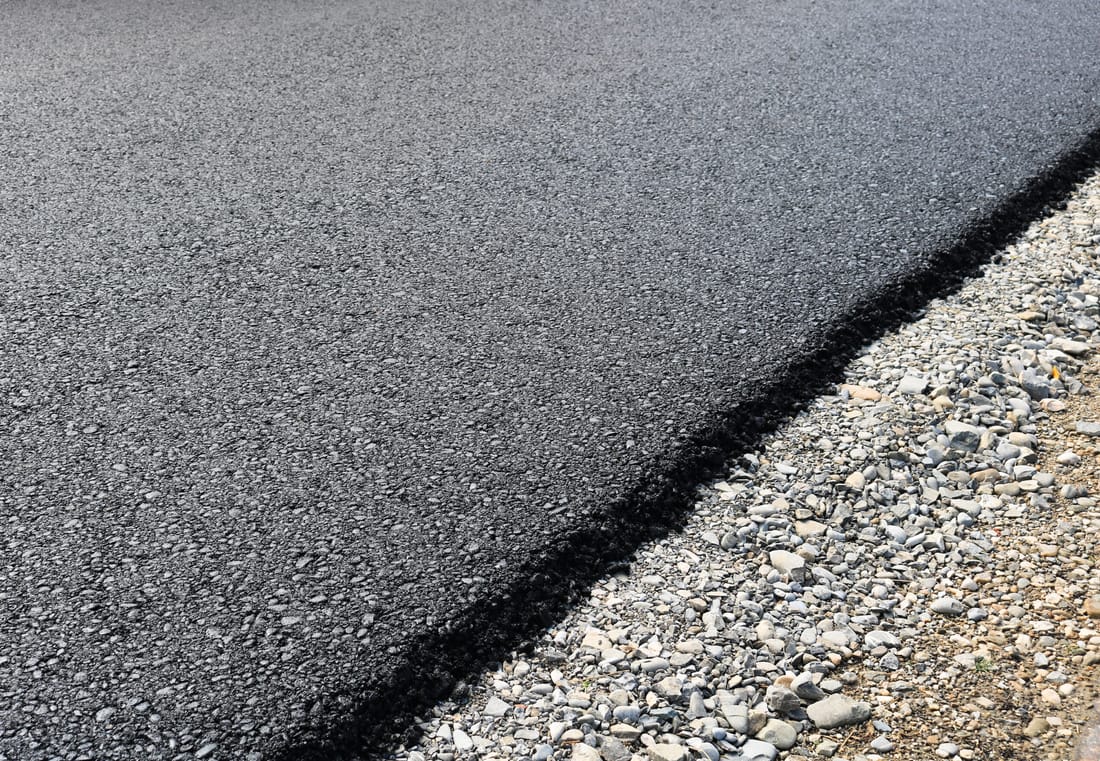
Edge failures are another concern, especially along residential driveways that do not have concrete curbs. If the new overlay hangs over a weak edge, it can crack and break off. We saw-cut and compact edges properly, and when needed, recommend small edge-widening or shoulder support.
Drainage is the long-term enemy of asphalt in North Texas. Even a beautiful new overlay will deteriorate quickly if water consistently stands on it. That is why we prioritize fixing low spots and pitch problems during the milling and paving stages instead of assuming the overlay alone will solve them.
What to Expect When You Hire Precision Asphalt Irving
We know resurfacing your asphalt affects tenants, customers, and daily routines, so our goal is to make the process predictable and respectful of your schedule.
Before work starts, we walk the site with you, discuss access points, and identify critical times when drive lanes, entrances, or loading zones must stay open. For multi-day projects, we phase areas and provide a simple map that shows which sections will be closed and when.
On residential driveways, resurfacing is usually completed in a single day, with most homeowners able to drive on the surface within 24 hours under normal summer conditions. For commercial lots, we may recommend staged areas where one half is open while the other is being worked on.
Our crew handles barricades, caution tape, and “lot closed” notices as needed so drivers do not accidentally enter a fresh overlay. When the project is done, we provide basic maintenance guidance, such as when to schedule sealcoating, how to keep heavy equipment from turning sharply on hot days, and what early signs of trouble to watch for.
If you are in Irving or a nearby community and want to know whether asphalt resurfacing is the right solution for your pavement, Precision Asphalt Irving can inspect your property and explain your options clearly so you can plan both your budget and your schedule with confidence.