Home › Gravel-to-Asphalt Conversions
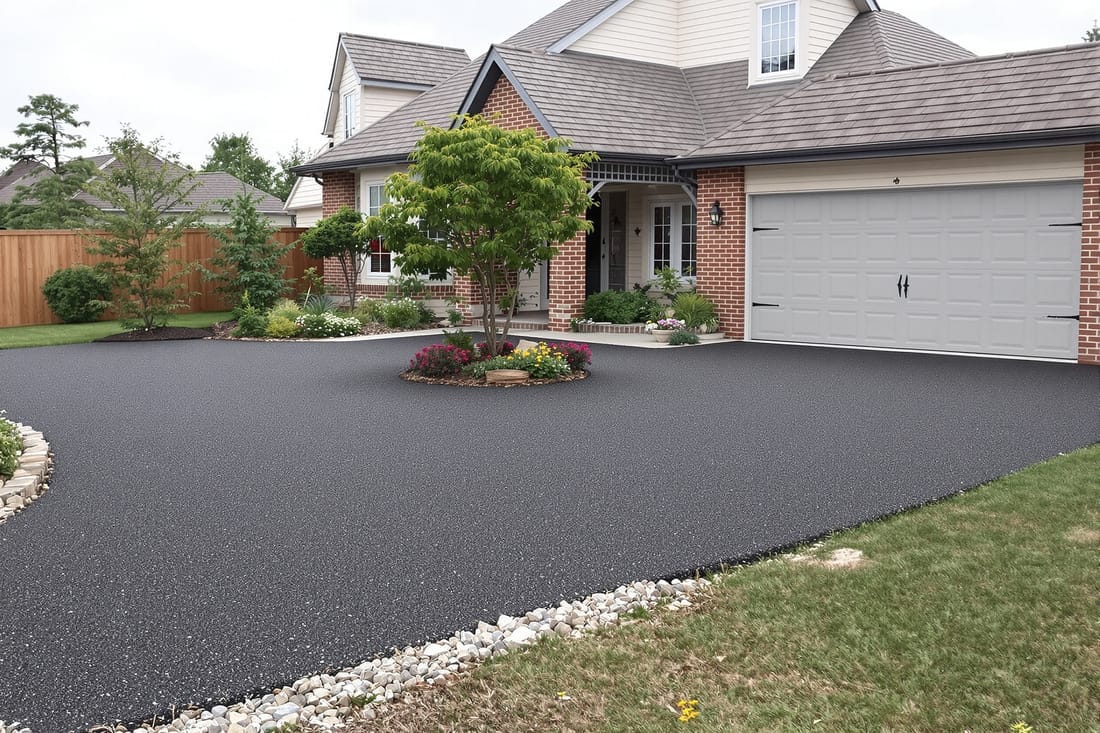
Our gravel to asphalt driveway service in Irving, TX turns dusty, rutted lanes into clean, easy to maintain blacktop. We reshape and compact the existing base, then install a strong asphalt surface sized for your traffic. The result is less mess and a more attractive entrance to your home. Request a free evaluation of your gravel driveway today.
Precision Asphalt Irving provides professional gravel to asphalt driveway throughout Irving, TX, Texas and the surrounding area. Our licensed, insured crew delivers safe, clean, on-time work with a free estimate before anything begins. Call (469) 242-1785 or request your free quote.
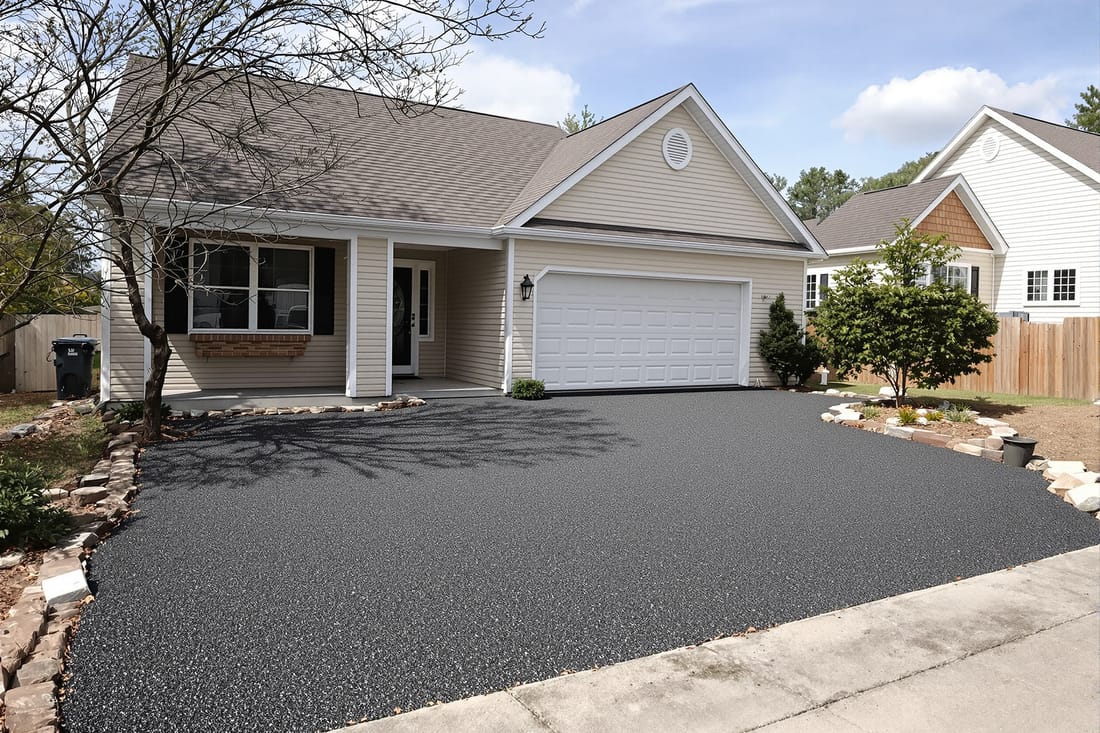
Turn Your Gravel Driveway Into a Smooth Asphalt Surface
If you are tired of ruts, dust, and washouts on your gravel drive, a gravel to asphalt driveway conversion can make everyday life much easier. Precision Asphalt Irving focuses on conversions for Irving, TX homeowners and small businesses, so we understand how local soils, drainage, and traffic patterns affect your new pavement.
Around Irving, many older homes near Story Rd, Irving Heights, and the older sections off Irving Blvd still have original gravel or worn aggregate drives. Converting to asphalt does more than improve appearance. It controls dust, reduces mud tracking into the house, improves accessibility for kids and older family members, and usually raises curb appeal when it comes time to sell.
Our goal is to build a driveway that fits how you actually use your property. We look at your daily parking, delivery vehicles, boat or trailer storage, and any slope issues before we suggest thickness, layout, or whether to add extra parking pads or turnarounds.
How Our Gravel-to-Asphalt Conversion Process Works
A successful gravel to asphalt driveway project in Irving starts with a detailed evaluation of what you already have. We walk the drive with you, look at where water currently flows, note soft spots, and measure thickness of the existing gravel. In many Irving neighborhoods the gravel layer is thin and mixed with clay, so simply paving on top is not an option if you want the asphalt to last.
Step 1: Site inspection and layout. We confirm property lines, mark utilities, and plan any changes to width, curves, or parking areas. For narrower older driveways near cul-de-sacs, we often recommend small flares or a parking apron to make backing out easier.
Step 2: Grading and subgrade preparation. We use equipment to cut down high spots, fill low areas, and create a consistent slope away from your home or garage. The native soil around Irving often includes expansive clay, which holds water. Where needed, we proof-roll the subgrade to locate soft areas and undercut them. Those areas are replaced with compacted base material so the asphalt does not settle later.
Step 3: Base installation or improvement. Depending on what is there now, we may reuse some of your existing gravel, blend it with new crushed limestone or flex base, then compact it in layers using a vibratory roller. For most residential conversions we aim for 4 to 6 inches of well compacted base, thicker for RVs, dumpsters, or commercial traffic.
Step 4: Paving with hot mix asphalt. We spread hot mix asphalt while it is at the proper temperature, then compact it in multiple passes. Seams are staggered and edges are compacted tightly so the finished driveway has a clean, slightly crowned surface that sheds water instead of holding puddles.
Step 5: Final detailing. We address transitions to the street, alley, or existing garage floor, add edge topsoil where needed, and confirm drainage performance with water tests before we leave.
Design Options For Your New Asphalt Driveway
Even though asphalt is usually black, you still have choices that affect how your new driveway looks and functions. Precision Asphalt Irving helps Irving homeowners choose options that match the style and age of their property.
Thickness and mix type. Light residential use might only need 2.5 to 3 inches of asphalt over a strong base. If you park work trucks, trailers, or an RV, we may recommend a thicker surface course or a heavier duty base layer. These decisions affect cost but also determine how well the driveway resists rutting in summer heat.
Shape, width, and parking. Many gravel drives are too narrow for current vehicle sizes. During a conversion, we can widen the drive, add a parking pad beside the garage, or create a small hammerhead turnaround so you do not need to back into busy streets like Belt Line Rd or Northgate Dr. This planning happens at the start so drainage still works correctly.
Edging options. Asphalt can meet your lawn directly, or we can pave up to concrete, stone, or steel edging you already have. On steeper driveways, a concrete apron at the garage or street can help protect the edge from turning tires.
Drainage tweaks. If you have water that currently flows down the gravel and toward your foundation or front steps, we can add small swales, regrade lawn edges, or tie into existing drains so the new asphalt helps move water away from structures.
What Drives the Cost of a Gravel-to-Asphalt Driveway
Homeowners in Irving often ask why two similar sized driveways can have very different prices. With gravel to asphalt driveway conversions, most of the cost is in what you do not see: the base and soil work.
Driveway size and layout. Long rural-style drives west of 161 and shared driveways behind duplexes near Irving Blvd have different mobilization and labor needs. Curves, tight access between fences, and work around mature trees all affect how quickly we can grade and pave.
Existing gravel and soil condition. If your current gravel is deep, clean, and reasonably well compacted, we can often rework and supplement it, which keeps costs down. If the gravel is thin and heavily mixed with clay, we may need more base material and more time to reach proper compaction. Soft, saturated areas add cost because they must be undercut and rebuilt.
Drainage corrections. Fixing long standing drainage problems, for example water ponding near the garage after heavy Irving storms, can involve extra grading or installing drains. This adds to the price but usually saves money compared to repeated repairs from water damage.
Thickness and intended use. If the driveway will regularly hold heavy vans, trailers, or commercial vehicles, we will design a thicker base and asphalt layer than for a single family home with light car traffic. That structural build-up increases material and labor but greatly improves lifespan.
Access and tie-ins. Matching to the city street, alley, or a steep existing garage slab can require extra effort. Sometimes we coordinate with the City of Irving requirements for approach sections at the curb, which also affects total cost.
Common Issues We Solve During Conversions
Converting gravel to asphalt in Irving is not as simple as paving what is already there. Precision Asphalt Irving has worked on many driveways where rushing the prep would have meant premature cracking or standing water.
Poor or flat drainage. Many older gravel drives were installed nearly flat so water simply soaks in. Asphalt sheds water instead, so we build in a subtle crown or cross-slope and make sure runoff goes to the street or yard instead of toward your foundation. Where necessary we create shallow ditches or tie into existing drainage structures.
Soft spots and pumping clay. Irving’s clay soils can hold moisture, creating areas that move or pump under weight. We locate these by driving a loaded truck or roller over the prepared surface and watching for deflection. Any suspect areas are excavated, then rebuilt with compacted base so the finished driveway is uniformly strong.
Matching uneven or settled structures. Detached garages behind older homes sometimes sit a few inches higher or lower than the current gravel. We custom shape the base and asphalt thickness so the transition is smooth, without creating a lip that catches snow shovels or trips guests.
Edge support. If a driveway edge is close to a ditch, fence line, or soft yard, we may recommend extra base width or a minor shoulder so the asphalt edge does not crumble when tires occasionally roll off the side.
What Irving Homeowners Should Know Before Converting
Before you schedule a gravel to asphalt driveway conversion, there are a few practical points that help the project go smoothly.
Timing and weather. In Irving, the best paving seasons are generally spring and fall, when temperatures support proper asphalt compaction without extreme heat. We can work through most of the year, but very cold or very wet conditions can delay parts of the process. We will explain how long your specific project should take and when you can drive on the new surface.
Permits and city requirements. Some properties, especially corner lots or homes on busier streets, may have city requirements for driveway width, approach design, or curb cuts. Precision Asphalt Irving is familiar with typical Irving guidelines, and we can help you determine whether a permit or inspection is needed before work begins.
Access during construction. There will be times when you cannot park on your property. We coordinate with you in advance so you can move vehicles to the street or a neighbor’s drive and plan for deliveries. Normally, once the asphalt is compacted and cooled, you can drive on it within 24 hours, although we may suggest a bit longer before parking heavy vehicles.
Maintenance expectations. A well built asphalt driveway should last many years. Sealing is not required immediately, but we usually recommend a quality sealcoat after the first year and then as needed. Avoid parking heavy trailers on kickstands directly on the surface and clean up oil spills quickly so the pavement stays strong and attractive.
Why Work With Precision Asphalt Irving For Your Conversion
Choosing a contractor for a gravel to asphalt driveway in Irving is as important as choosing the material itself. Precision Asphalt Irving is locally based, so we are invested in how your driveway looks and performs years from now, not just on the day we pave.
Local soil and neighborhood experience. We have converted gravel driveways in a variety of Irving neighborhoods, from older bungalows with narrow side drives to newer homes with long shared alleys. That history helps us quickly recognize problem areas and practical design options that suit your street and lot type.
Transparent scope and pricing. Before we start, you know how much base work we are including, what asphalt thickness we are targeting, and how we are handling drainage. If we uncover unexpected issues, such as buried debris or extremely poor soil, we discuss solutions with you on site before proceeding, so there are no surprises.
Right-sized equipment and crew. Many gravel to asphalt jobs are in tight residential settings with fences, trees, and nearby buildings. Our crews are set up for this kind of work, which means less disruption to your lawn and landscaping and a cleaner final product.
If you are ready to replace a dusty, rutted gravel drive with a smooth, durable asphalt surface, contact Precision Asphalt Irving. We can visit your property, evaluate your existing driveway, and provide a clear plan that fits your budget and how you use your home or small business every day.